Wildfire Smoke, Winter Inversions, and Why Air-Sealing Matters for Missoula Indoor Air Quality
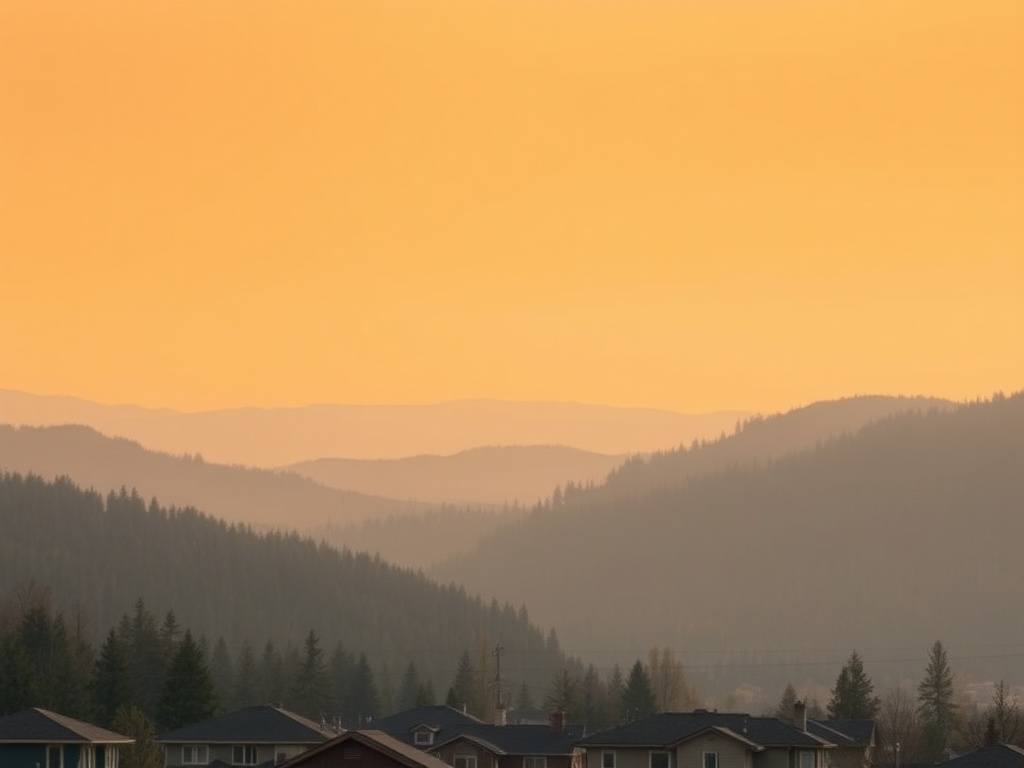
Missoula sits in a mountain valley, and that geography cuts both ways for indoor air quality. In late summer, regional wildfire smoke can settle into the valley for days or weeks at a time. In winter, the same valley topography traps cold air and wood-smoke pollution near the ground during temperature inversion events — a well-documented, recurring seasonal pattern separate from wildfire season entirely. Two different causes, but the same practical question for a homeowner: how much of that outdoor air is getting into my house, and what can I actually do about it?
What's actually happening during a Missoula inversion
A temperature inversion happens when a layer of warm air settles above a layer of cold air sitting in the valley bottom, acting like a lid that traps pollution — largely residential wood-smoke in winter — near the valley floor instead of letting it disperse. This is a distinct, recurring winter phenomenon in the Missoula area, on top of the region's separate late-summer wildfire smoke season.
Where outdoor air actually gets into a house
- Through an under-insulated, poorly sealed attic — the same gaps that leak heat in winter let outdoor air infiltrate year-round
- Around rim joist and foundation penetrations, especially in an unsealed crawl space or basement
- Through gaps around wiring, plumbing, and framing that batt insulation lies across without sealing
This is the honest, non-dramatic version of the air-sealing story: a spray-foam-insulated, properly air-sealed envelope is meaningfully tighter than a home with gap-riddled batt insulation, which means less outdoor air — smoke included — finds its way in through the building envelope itself.
What air-sealing is, and isn't, a fix for
Spray foam insulation is not a substitute for proper filtration during an active smoke event — a HEPA air purifier or a MERV 13+ furnace filter running on a properly sealed HVAC system is still the frontline defense recommended by local public health guidance during a smoke advisory. What a tighter envelope does is reduce the baseline amount of outdoor air infiltrating through gaps and gives your filtration system less to fight against. It's a genuine complementary factor, not a replacement for the recommended air-quality response during an actual event.
Where this fits into a normal insulation project
For most Missoula homeowners, the air-sealing benefit isn't the primary reason to insulate — the winter heating-bill savings usually are. But it's a real, legitimate secondary benefit worth knowing about, especially for anyone in the household with respiratory sensitivity who notices a difference during smoke season or a bad inversion week.
Frequently asked questions
No — spray foam insulation air-seals the building envelope, which reduces how much outdoor air (and whatever is in it) infiltrates through gaps and cracks. It doesn't filter or clean the air already inside your home. For that, a HEPA air purifier or a MERV 13+ furnace filter on a properly sealed HVAC system is the recommended approach during a smoke event, per local public health guidance.
No, they're two separate seasonal phenomena. Wildfire smoke is a late-summer event driven by regional fire activity, sometimes from fires hundreds of miles away. Winter inversions are a recurring cold-season pattern specific to Missoula's valley topography, where a warm-air layer traps cold air and wood-smoke pollution near the ground. Both can affect indoor air quality, and a well-sealed home helps with both for the same reason: less outdoor air infiltration overall.
Ready for a free quote?
Tell us about your home and we'll build a clear, no-pressure quote.