Attic Spray Foam Insulation
The single highest-impact insulation upgrade for a Missoula home — heat rises, and an under-insulated attic is usually the biggest single reason a furnace runs longer than it should.
Missoula sits in IECC Climate Zone 6B, a genuinely cold mountain-valley climate where winter lows regularly drop well below zero and the heating season runs long. Heat rises, and in a home with thin, settled, or unevenly distributed attic insulation, that heat escapes straight through the ceiling into the attic and out through the roof deck — forcing the furnace to run longer and harder just to hold a setpoint, and in some cases contributing to ice dams along the eaves as escaping heat melts snow on the roof unevenly. The 2021 IECC's prescriptive guidance for Zone 6 homes points to attic insulation around R49, with R60 as a stronger target, and a lot of older Missoula homes are running well below that.
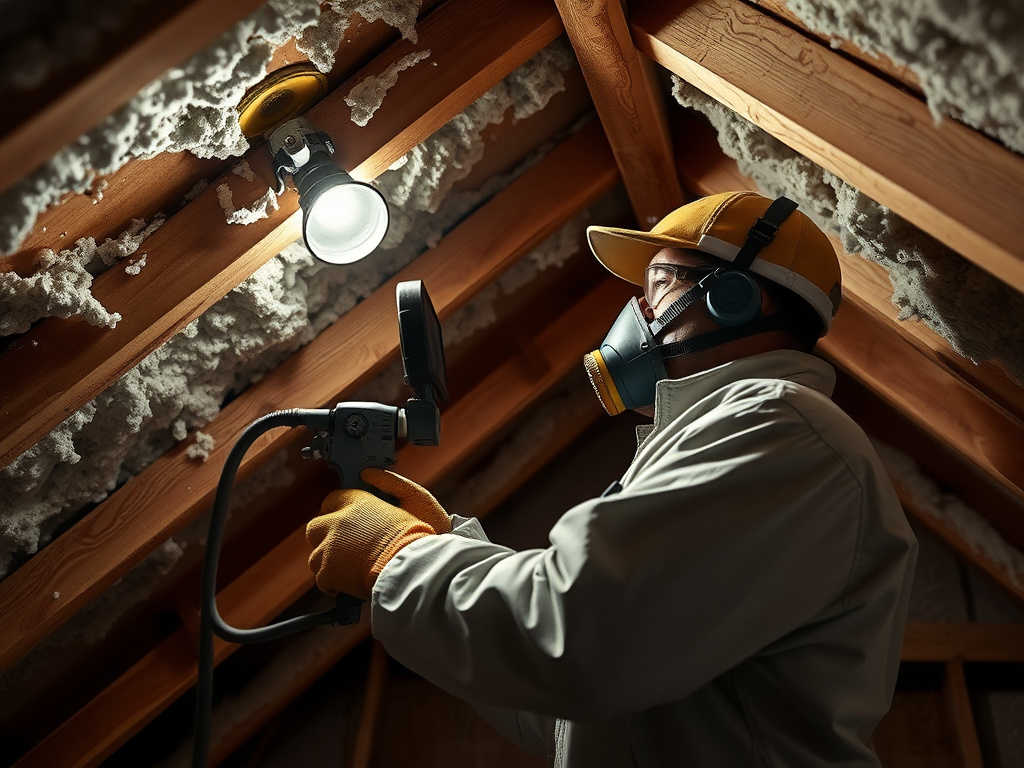
Spray foam insulation addresses this two ways at once: it insulates against heat loss and it air-seals the attic in the same application, closing the gaps around wiring penetrations, top plates, and duct boots that fiberglass batts simply lie across without sealing. We install both roof-deck application (spraying the underside of the roof deck to bring the attic itself inside the home's conditioned envelope — especially valuable if ductwork or mechanicals run through the attic) and traditional attic-floor application, and we'll walk you through which approach fits your home's specific framing and layout during your free on-site assessment.
Why homeowners choose it
- Cuts the single largest source of heat loss in a Missoula home — warm air rising into an under-insulated attic and escaping through the roof deck.
- Air-seals and insulates in one application, closing the gaps around duct boots, top plates, and wiring penetrations that batts leave open.
- Reduces the uneven roof-surface melting that contributes to ice dams along the eaves during a typical Missoula winter.
- Doesn't settle, sag, or compress over time the way blown-in or batt insulation can after years of freeze-thaw cycling in an unconditioned attic.
- Reduces furnace cycling and runtime, which is where the majority of a Missoula home's winter heating bill goes.
Roof-deck vs. attic-floor application
Attic-floor application is the traditional approach — foam is sprayed across the attic floor between joists, keeping the attic itself vented and unconditioned while insulating the living space below. It's the more budget-friendly option and works well when ductwork or mechanicals aren't a factor.
Roof-deck (unvented/conditioned attic) application sprays foam directly to the underside of the roof deck and gable ends, effectively bringing the whole attic inside the home's thermal envelope. This is the stronger choice when HVAC ductwork or mechanical equipment runs through the attic, since it protects that equipment from extreme attic temperature swings instead of just insulating around it, and it can help reduce the conditions that lead to ice damming.
- Attic-floor: lower cost, vented attic stays as-is
- Roof-deck: protects attic ductwork/mechanicals, helps reduce ice-dam conditions, higher upfront cost
Open-cell or closed-cell for your attic?
Both are used in Missoula attics. Closed-cell delivers more R-value per inch, which matters when roofline depth is limited, and adds rigidity plus moisture resistance — a real consideration given Missoula's snow load and freeze-thaw cycling. Open-cell is more cost-effective per board foot and still performs well for attic-floor coverage where depth isn't constrained and moisture exposure is minimal. Some installations use a hybrid — closed-cell as a thin air/moisture control layer, open-cell to fill the remaining depth. We'll recommend the right mix for your specific roof assembly and ventilation strategy.
Ideal for
- Homes with visibly thin, compressed, or unevenly distributed attic insulation
- Homes that have noticed ice dams or icicles along the eaves in winter
- Older Missoula homes built before more recent energy code cycles
- Homeowners who've noticed cold upstairs rooms or a furnace that runs constantly in winter
What affects the cost
Attic Insulation questions, answered
Spray foam insulation in the Missoula area typically runs in the range of $1 to $5 per square foot installed, with most projects averaging around $3 per square foot — closed-cell running higher than open-cell. A typical single-family attic project often lands in the $1,500-$2,500+ range and scales up with square footage and whether it's roof-deck or attic-floor coverage. A free on-site assessment gets you a firm number for your home.
For homes with thin, settled, or gap-riddled attic insulation, yes — often meaningfully. Because spray foam air-seals as it insulates, it closes the pathways that let warm conditioned air escape into the attic, which is what drives most of the furnace runtime behind a Missoula winter heating bill. Industry estimates suggest meaningful heating-cost reductions are achievable for a poorly insulated home, though actual savings depend on your home's starting condition.
Often, yes. Ice dams typically form when heat escaping through an under-insulated, poorly air-sealed attic melts snow unevenly on the roof, which then refreezes at the colder eaves. Sealing and insulating the attic properly reduces that uneven heat loss, which is one of the most effective long-term fixes for a home that deals with ice damming every winter.
Attic Insulation done right, by a local Missoula crew
Attic Insulation isn't a commodity — the result depends entirely on how carefully it's planned and installed for your specific home and Missoula's real cold mountain-valley climate. We assess what your house actually needs, prep and air-seal properly, and install to your Zone-6B-appropriate R-value target, so the work delivers the comfort and savings it's supposed to.
We serve Missoula, Lolo, Frenchtown, Bonner, Florence, Stevensville, Hamilton, and Clinton. Every job starts with a free, no-pressure quote.
Just as important, we treat your home like the system it is. Insulation, air sealing, and the foundation all interact, and getting one right while ignoring the others leaves comfort and savings on the table. When we scope your attic insulation, we look at how it fits the whole picture — so the finished result performs the way it should, holds up through a genuine Missoula winter, and actually lowers the bills you feel every month.
Free assessment
We evaluate your home and give you a clear, itemized quote.
Expert install
We prep, air seal, and install your attic insulation to spec — clean and on schedule.
Savings you can feel
A warmer home, lower heating bills, and honest advice about what your home needs.
Related services
Ready for a free attic insulation quote?
Tell us about your home and we'll put together a clear, no-pressure spray foam insulation quote — built for Missoula's real mountain-valley winters.